The International Day Against Homophobia, Transphobia, and Biphobia (IDAHOBIT) is a global moment of solidarity and collective action for LGBTQIA+ communities. Observed every year on 17 May, it brings together individuals, organisations, and governments from around the world to raise awareness of the issues facing LGBTQIA+ people and to advocate for the laws and policies needed to protect their rights.
Since 2004, IDAHOBIT has connected local action with global solidarity, creating a powerful annual moment for communities to:
- Reaffirm collective commitment to the rights, dignity, safety, and freedom of LGBTQIA+ people worldwide.
- Draw attention to the ongoing discrimination and violence faced by our communities.
- Mobilise action at all levels, from grassroots groups to international institutions.
One of the defining strengths of this global landmark is its decentralised nature: anyone can organise their own event, in any form that reflects their reality. Together, local action adds up to a global moment.
Impact
Every year, thousands of initiatives are documented across the world. IDAHOBIT is currently marked in 155 countries and territories, including 35 where consensual same-sex acts are still criminalised. The day has received official recognition from several States, international institutions including the European Parliament, and countless local authorities. Most United Nations agencies also mark the day with specific events.
History
The IDAHO Committee, as it was originally called, was created in 2004. The following year, communities in dozens of countries observed the first International Day Against Homophobia (IDAHO).
The date of 17 May was chosen to mark the World Health Organization’s 1990 decision to remove homosexuality from its International Classification of Diseases, a milestone in the global struggle for the rights of LGBTQIA+ people.
For over two decades, the initiative has played a crucial role in:
- Promoting 17 May as a key LGBTQIA+ mobilisation moment.
- Documenting and amplifying events happening worldwide.
- Providing free visual resources to support organisers.
Key strategic decisions are made by the IDAHOBIT Advisory Group, which brings together organisations and networks working to advance LGBTQIA+ rights at global and regional levels. Since January 2023, ILGA World has coordinated global outreach, documentation, and resources on their behalf.
2025. The power of communities
2024. No one left behind: equality, freedom, and justice for all
2023. Together always: united in diversity
2022. Our Bodies, our lives, our rights
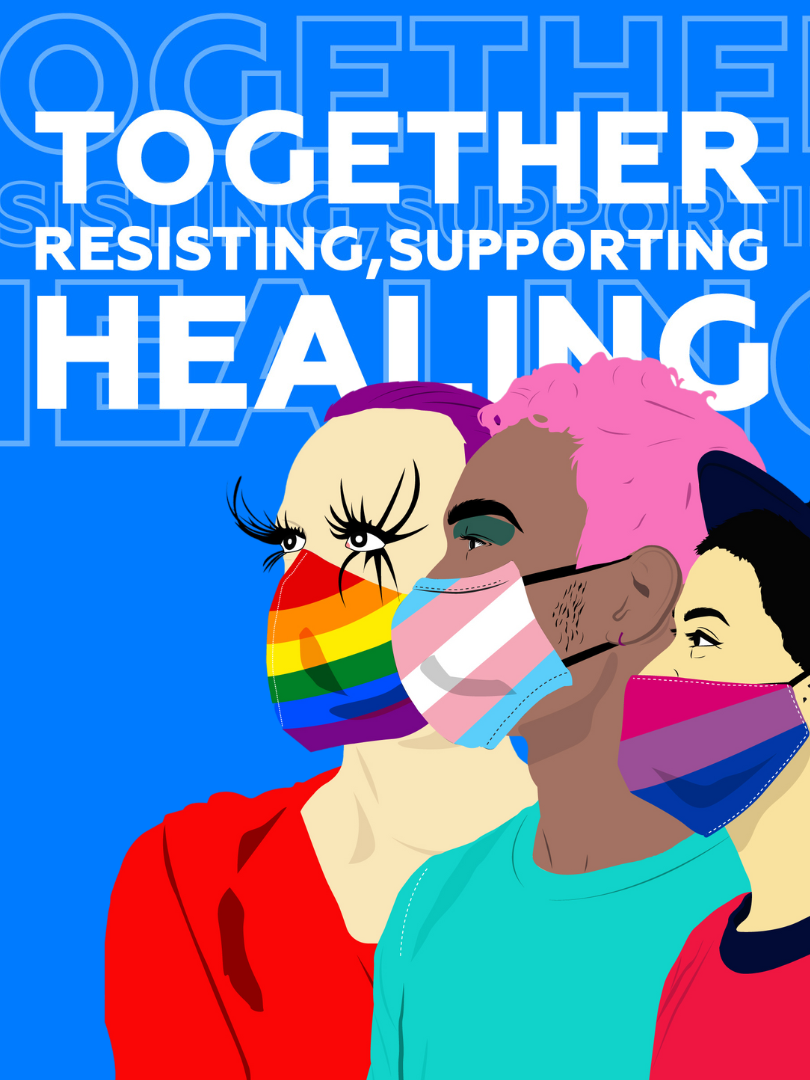
2021. Together: Resisting, supporting, healing!
2020. Breaking the silence
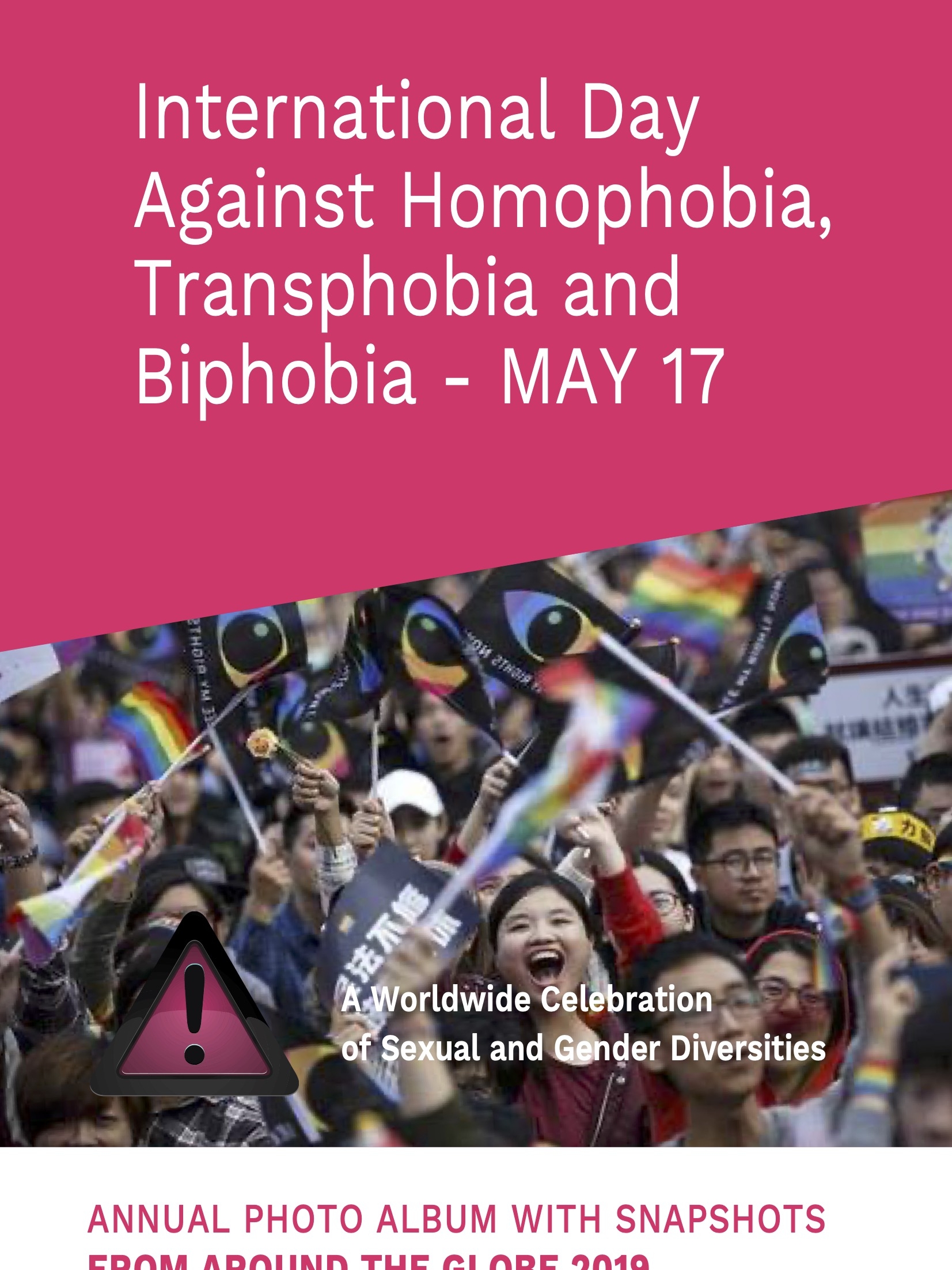
2019. Justice and protection for all
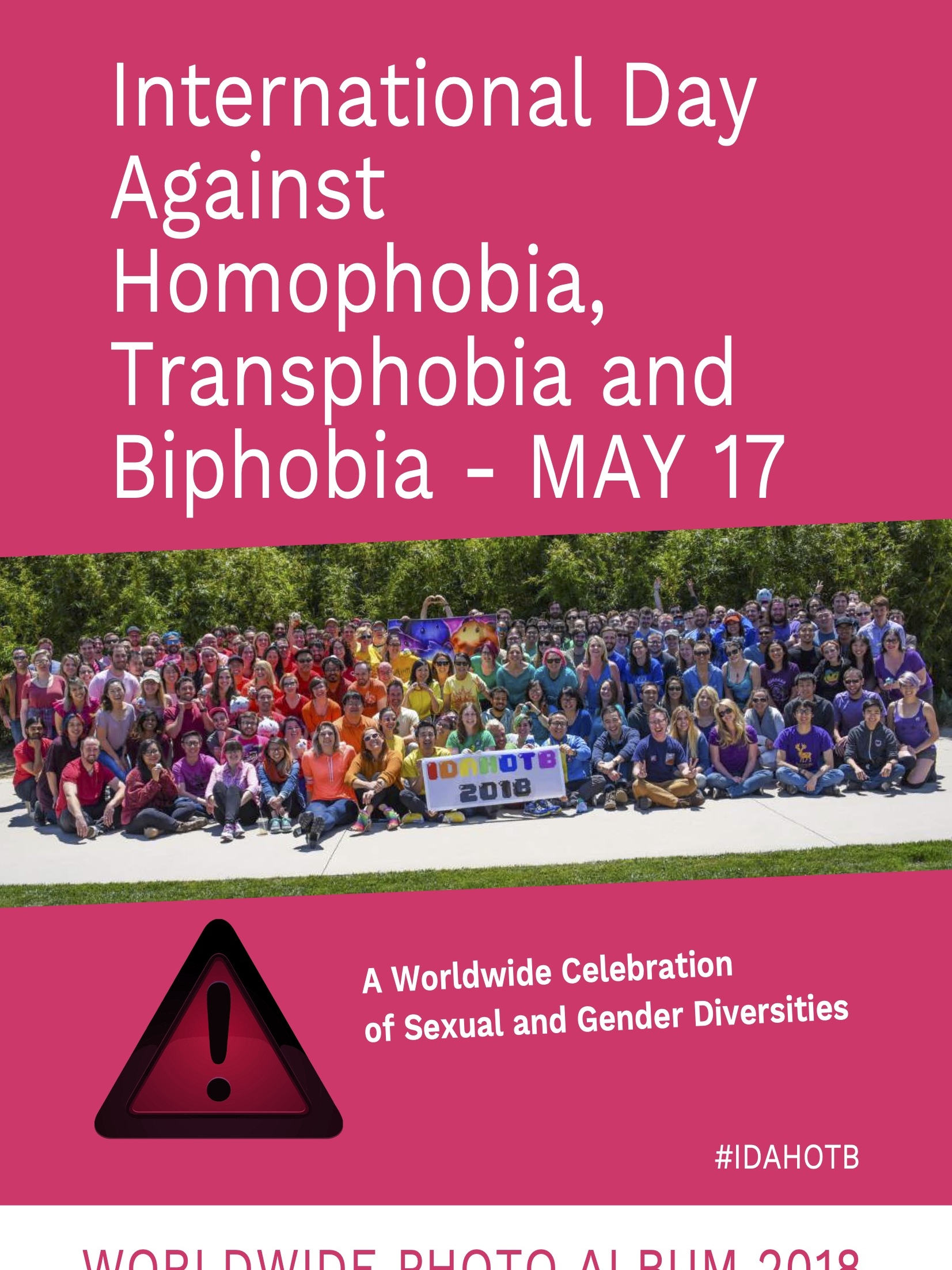
2018. Alliances for solidarity
2017. Love makes a family
2016. Mental health and well being
2015. Respect diversity, support love
2014. Freedom of expression
2013. The Global Rainbow Flashmob
2012. Fighting Homophobia in and through Education (As I Am Campaign)
2011. Religions, Homophobia, Transphobia (Global Kiss-In; Cures That Kill)
2009. Against Transphobia and for the Respect of Gender Identity
2008. No more Lesbophobia
2007. No to Homophobia, Yes to Education
2006. For a Universal Decriminalisation of Homosexuality
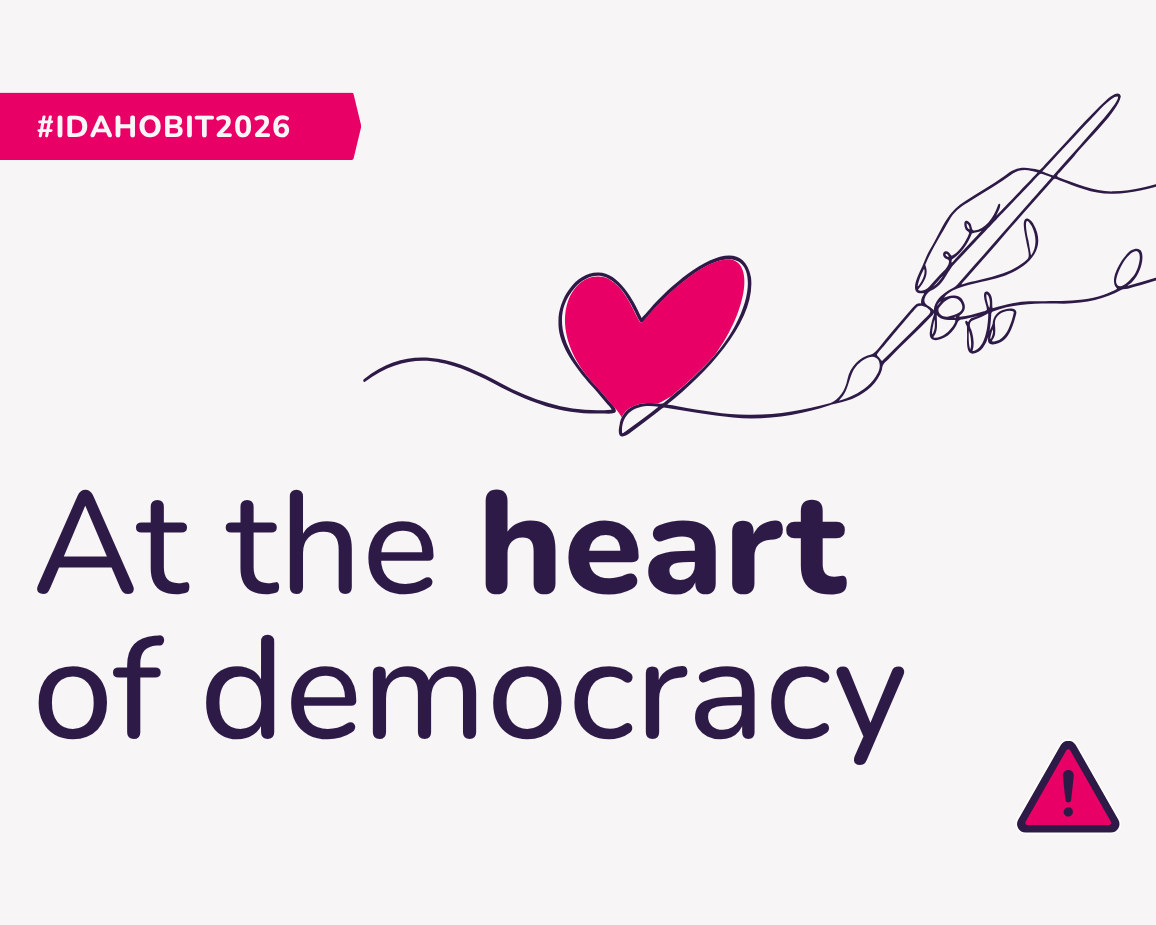
IDAHOBIT2026: “At the heart of democracy”
This year's global theme is a reminder that truly democratic societies must be grounded in justice and freedom for everyone.
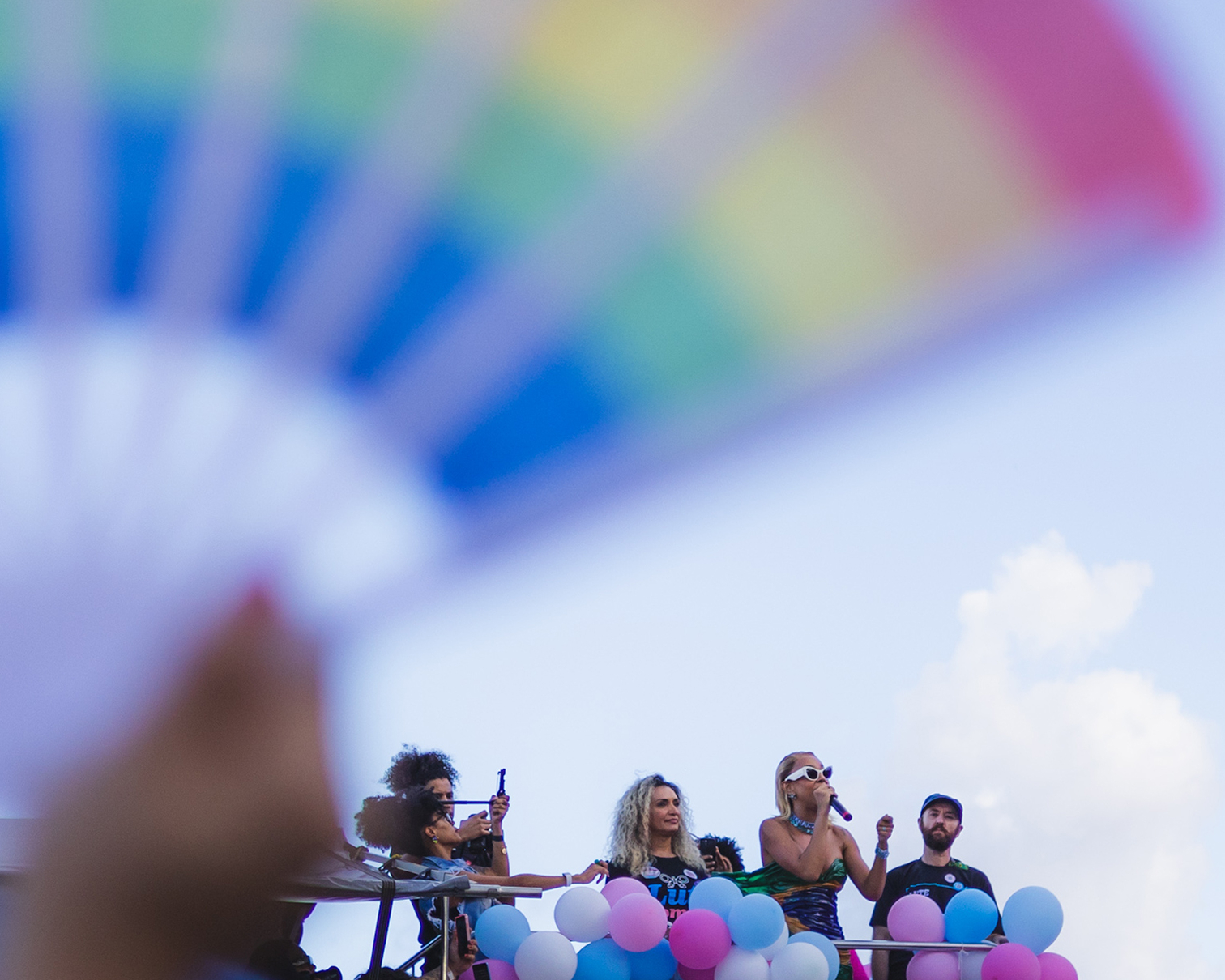
The Power of Communities
The IDAHOBIT theme for 2025 highlights the strength and resilience that emerges from our collective solidarity.
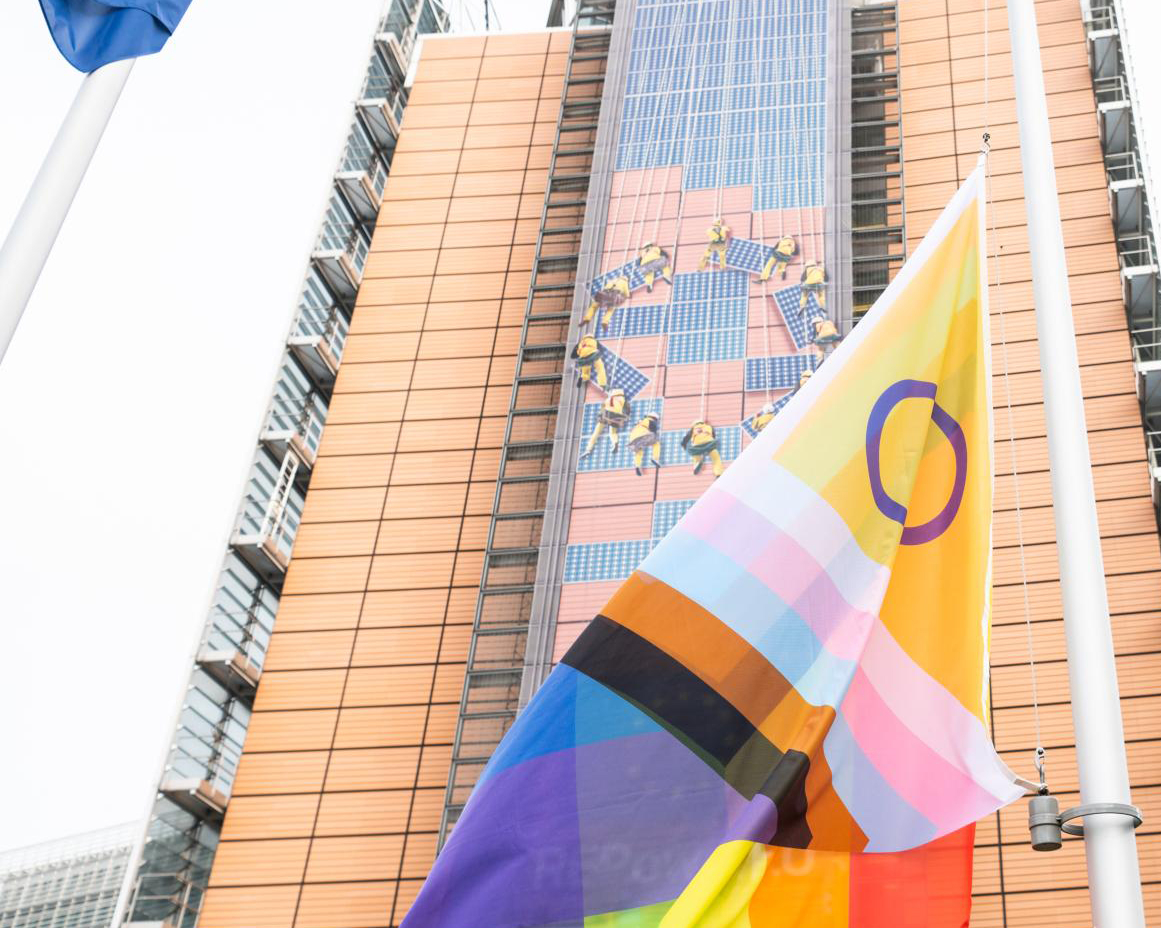
No one left behind: equality, freedom, and justice for all
This theme is a call for unity: only through solidarity will we create a world without injustice, where no one is left behind.
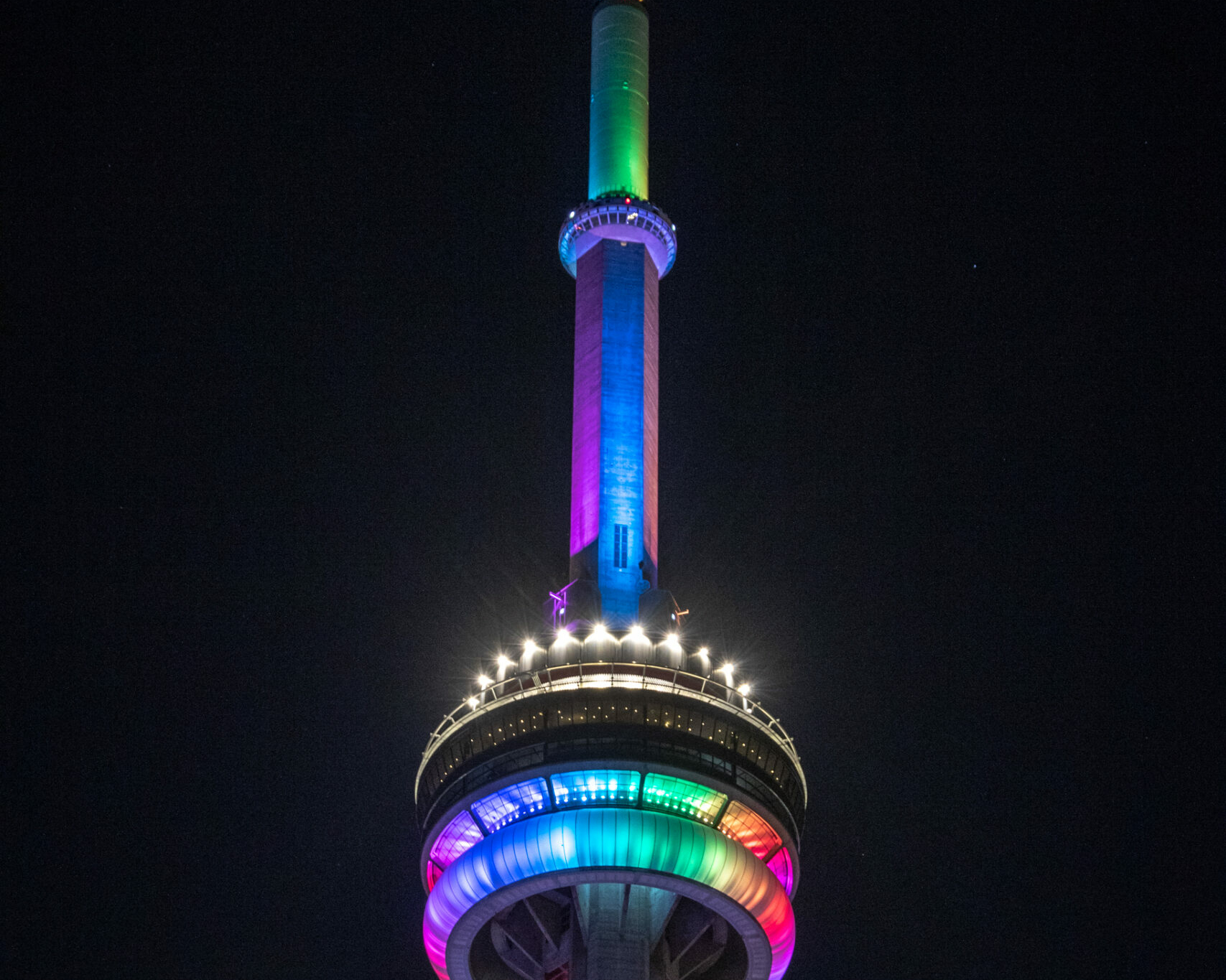
Together always: united in diversity
This year's theme shows that, when we unite, in all our beautiful diversity, we can really bring about change.
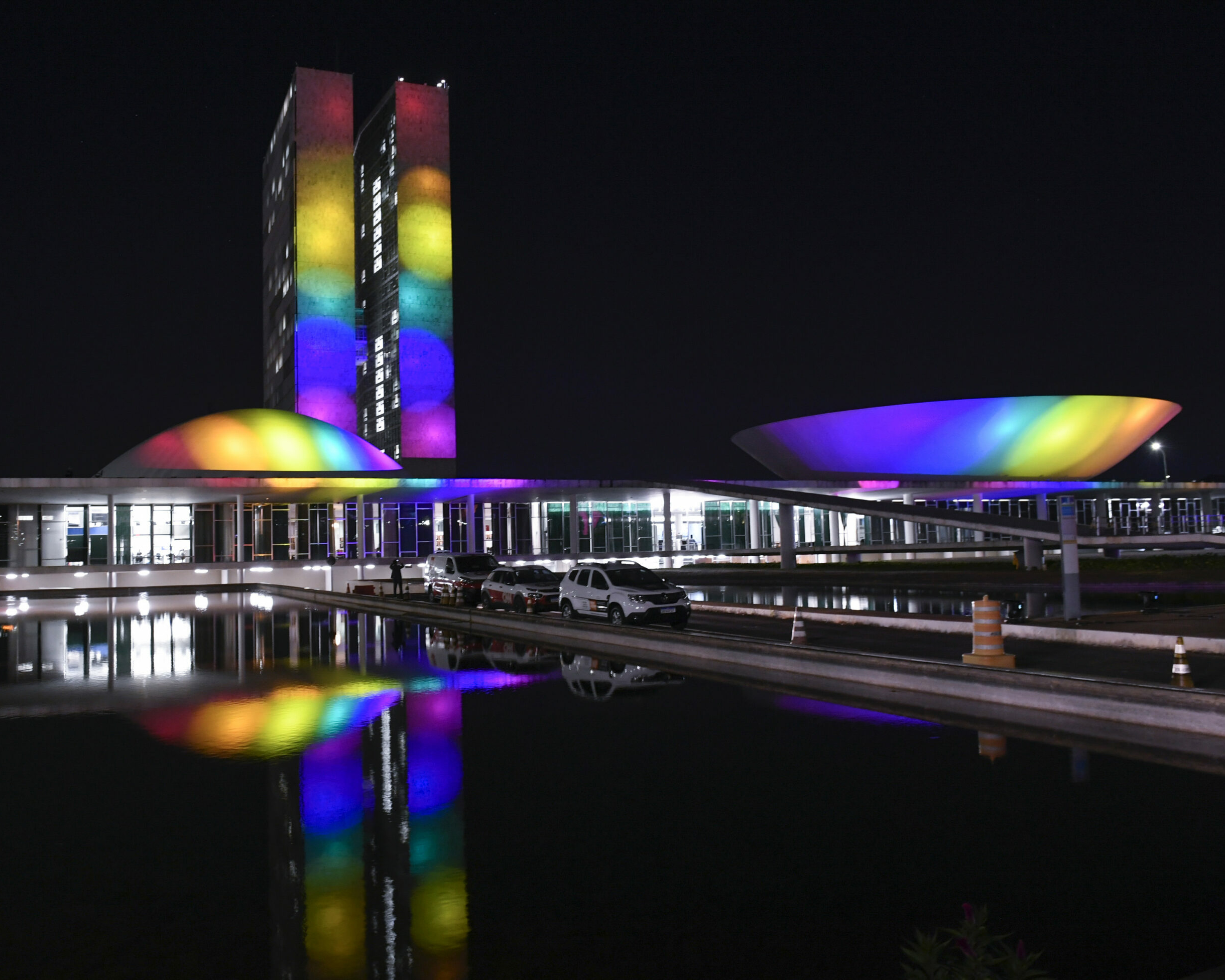
Our Bodies, Our Lives, Our Rights
The theme for IDAHOBIT 2021 resonated for all those whose bodies are policed by medical and/or administrative authorities.
Name
IDAHOBIT does not belong to any single organisation. Everyone is free to frame the day in a way that reflects their context and priorities.
In Latin America, “lesbophobia” is often included in the name. In Brazil, the day is recognised as the National Day Against LGBTQIA+ Phobia. In some regions, intersex communities add “intersexphobia” to the name; in others they do not. Asexual movements may explicitly include “acephobia.”
We acknowledge that the acronym does not capture the full scope of our communities, which is why the tagline “a worldwide celebration of sexual and gender diversities” was added.

NOTE
We have seen "intersexism" used as a translation of the "I" in IDAHOBIT. After consulting with intersex organisations, we ask that this term be avoided, as it is considered vague and misleading. Please use “intersexphobia” instead. As there is no global consensus among intersex communities about it, the name of the Day does not include “intersexphobia” at the moment.
Annual reports